Knowledge Centre
Expert tips and advice for maintaining gas safety in your kitchen.
Knowledge Saves Lives.
90% of kitchen gas incidents could have been prevented with the right information and a professional safety check.
Latest Articles
Deep dives into gas safety, pipeline engineering, and kitchen compliance.
Why Copper Pipes Are Safer Than Rubber Tubes in Kerala
Rubber tubes degrade in Kerala's tropical humidity and are vulnerable to rat damage. Here's why copper is the only permanent solution.
5 Warning Signs of a Gas Leak in Your Kitchen
Learn to identify the sulfur odor, hissing sounds, and visual cues that indicate a dangerous gas leak — and what to do immediately.
Gas Stove Maintenance: How Often Should You Service?
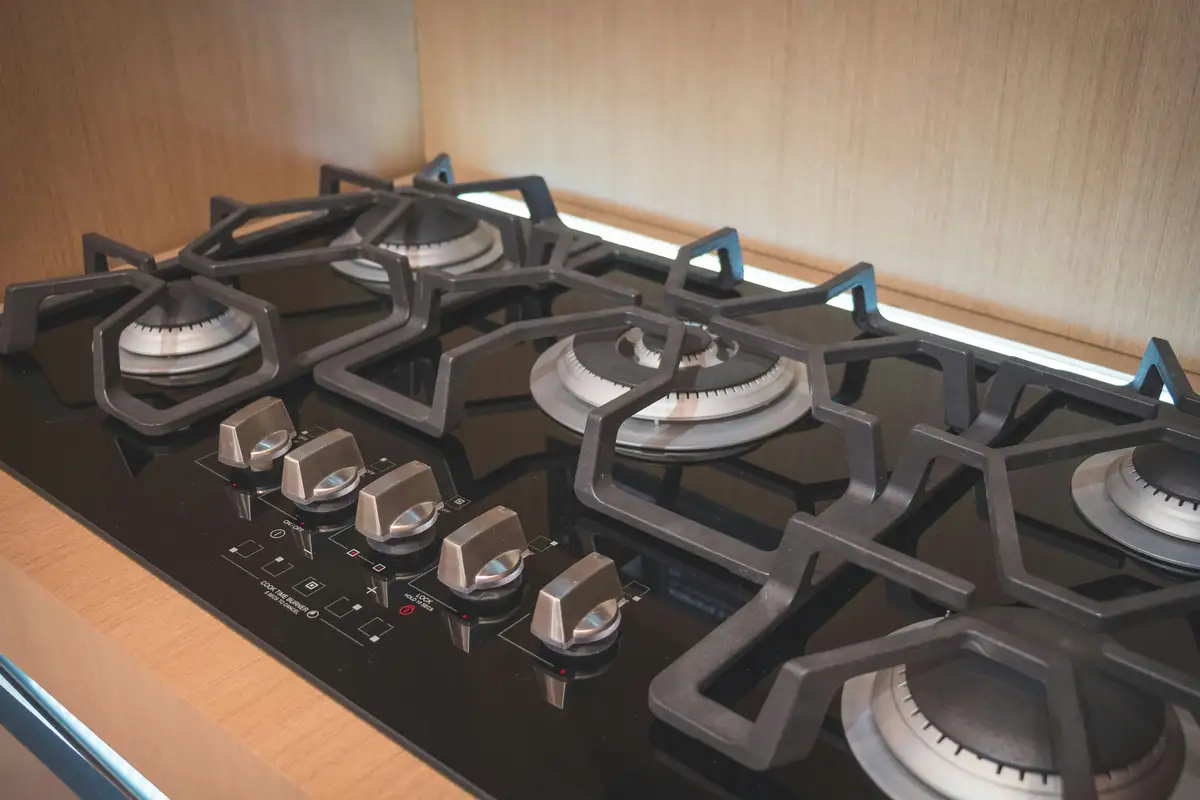
A simple maintenance schedule that extends the life of your hob, prevents carbon monoxide risks, and keeps your warranty valid.
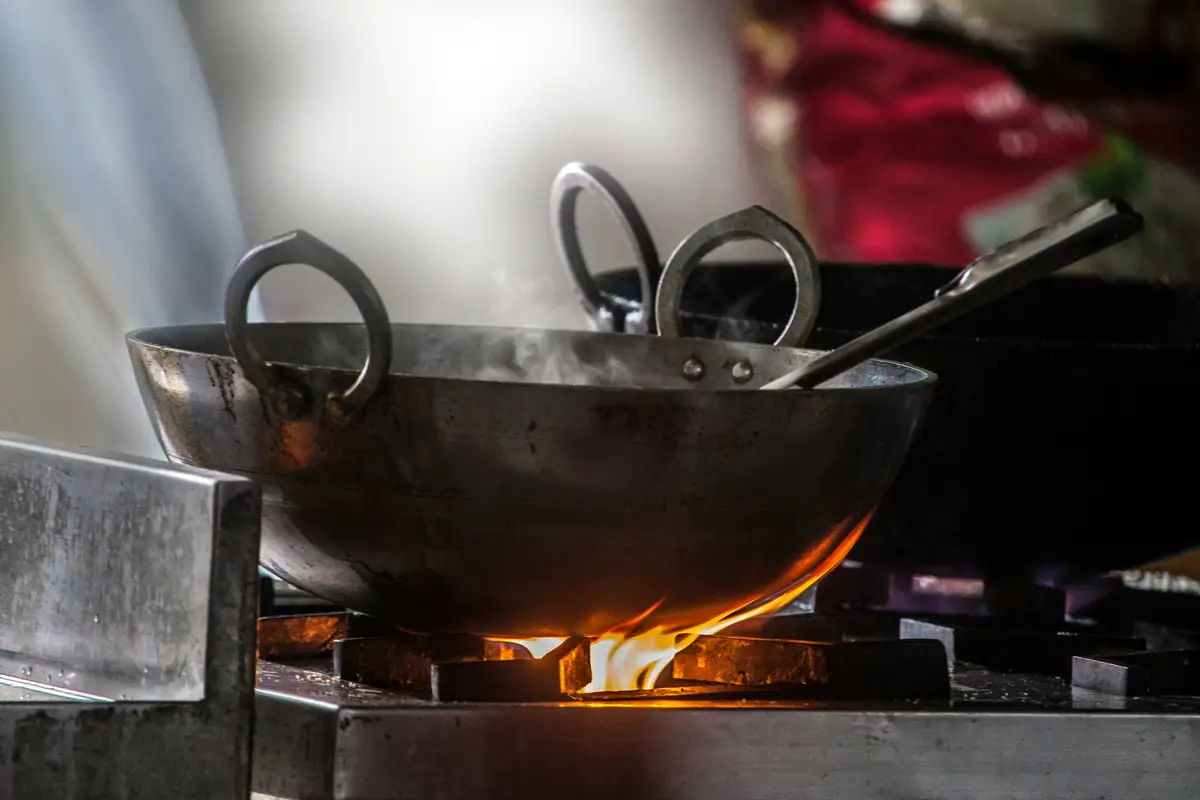
Commercial Kitchen Gas Compliance in Kerala — 2025 Guide
Everything restaurant owners need to know about municipal fire safety regulations, insurance requirements, and pipeline certification.
The Physics of Copper
Copper pipes offer superior thermal stability and are completely impervious to rodent damage. In Kerala's tropical climate where rats are the #1 cause of residential gas fires, copper isn't a luxury — it's a necessity.
- Melting point: 1,085°C (rubber melts at 200°C)
- Zero micro-porosity — no gradual gas seepage
- 50+ year lifespan vs 2-3 years for rubber
Gas Leak Red Flags
If you notice any of these, turn off your cylinder and call immediately.
Sulfur Odor
The distinct 'rotten egg' smell is mercaptan — an additive that makes odorless LPG detectable. If you smell it, there's a leak.
Hissing Sound
Audible gas escaping from high-pressure joints, regulators, or valve connections. Even a faint hiss means gas is leaking.
Yellow Flames
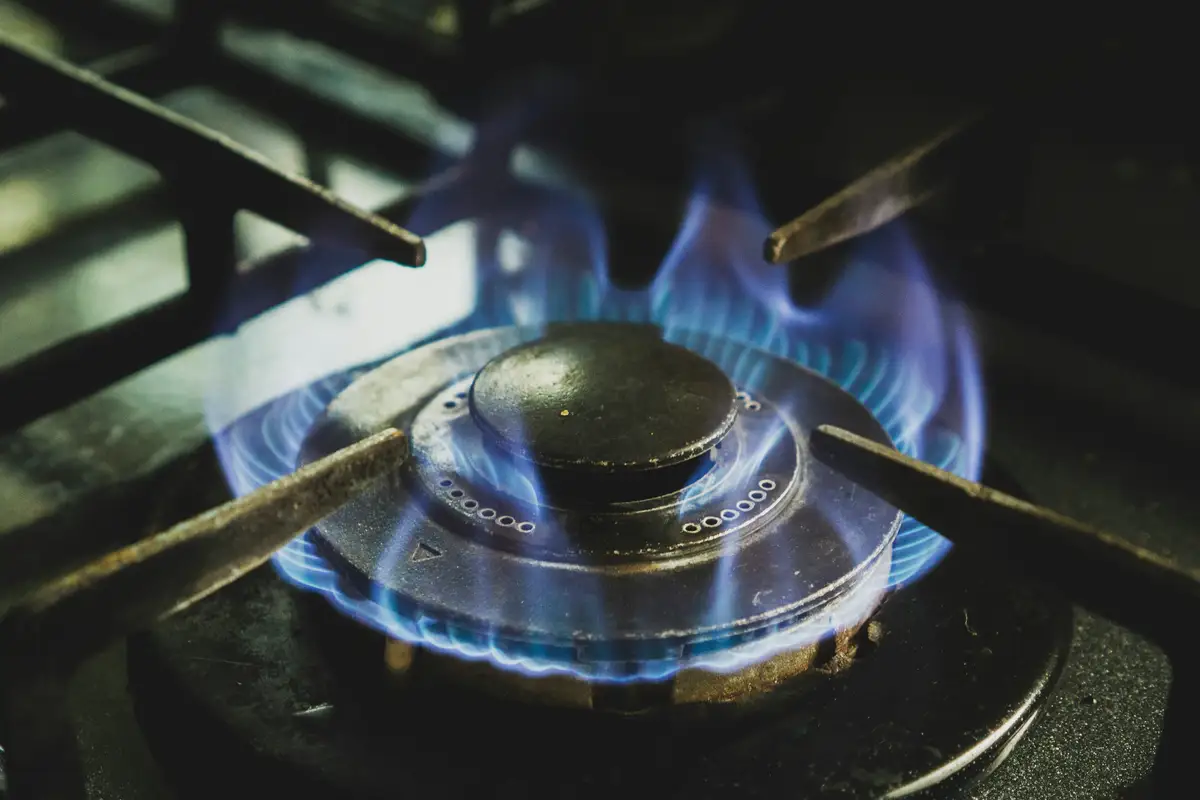
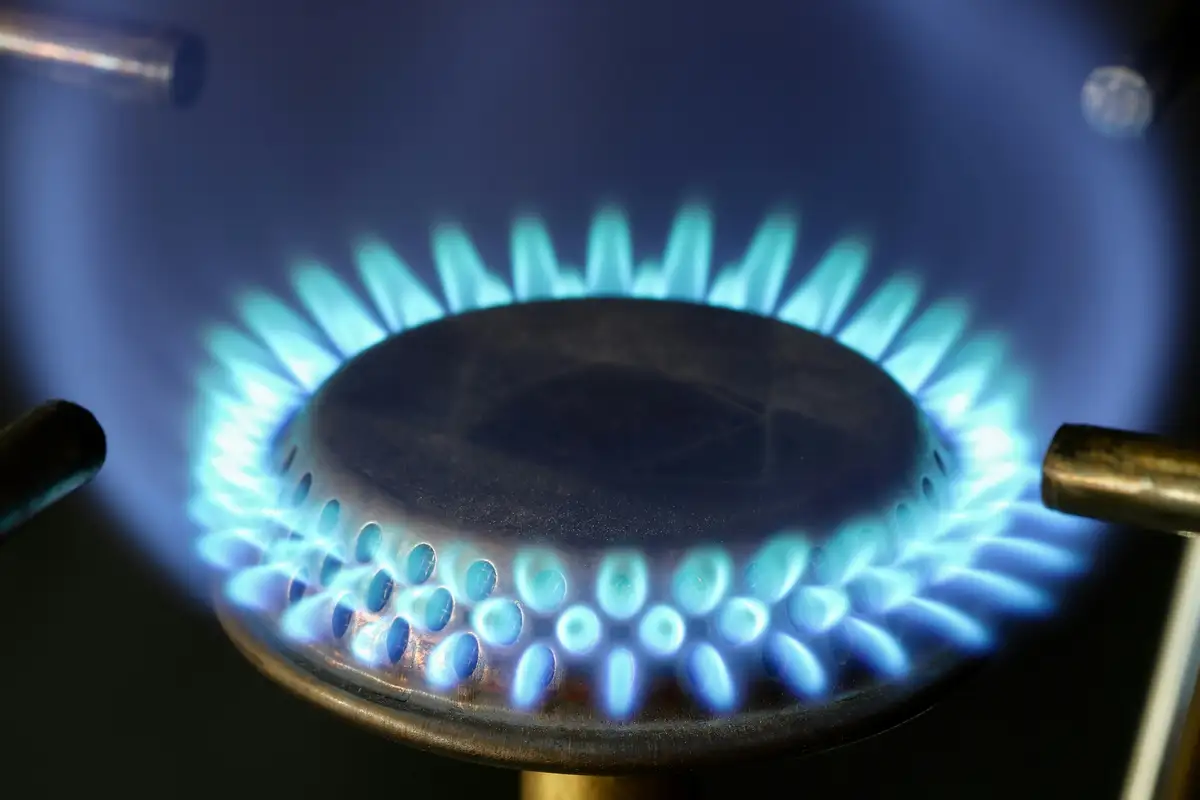
Healthy gas flames are blue. Yellow or orange flames indicate incomplete combustion and potential carbon monoxide production.
The Kochi Rat Hazard
In Kochi's tropical climate, rodents are the #1 cause of residential gas fires. Rats chew through rubber tubes overnight — a single bite can cause a catastrophic leak while your family sleeps. This is why we mandate copper for every new residential installation.
Upgrade to Copper — Free Quote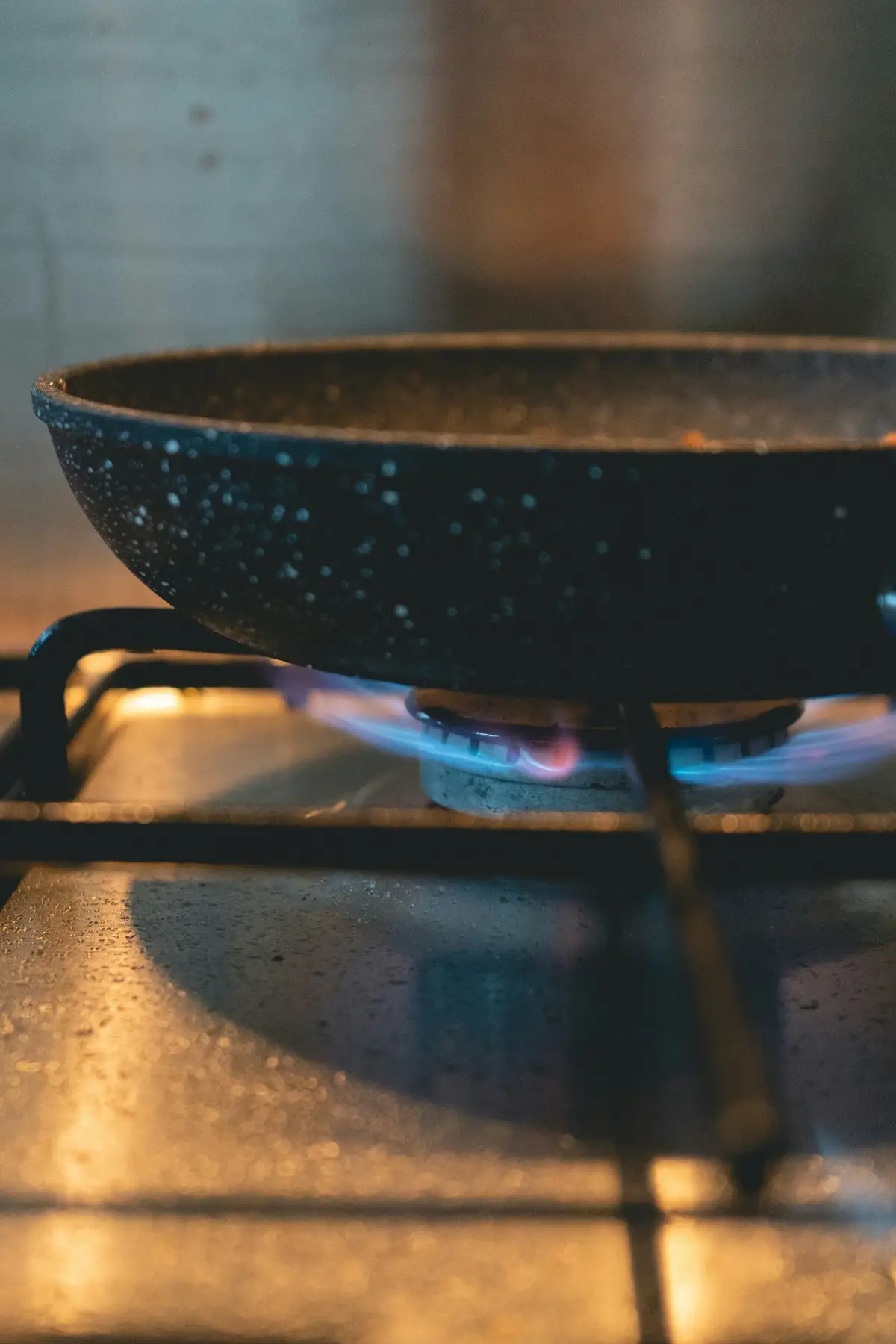
Prevent the Preventable.
A professional safety inspection takes 30 minutes. A gas incident can change everything. Book your free inspection today.
Book Free Safety CheckWhy You Need an Annual Maintenance Contract
The long-term value of preventative maintenance for commercial kitchens.
Prevent Downtime
Regular inspections catch issues before they shut down your restaurant service during peak hours.
Legal Compliance
Documented maintenance records are required for fire safety audits and insurance claims in Kerala.
Equipment Longevity
Regular descaling and calibration extends the life of expensive hobs and commercial burners by years.
Understanding LOT Systems
Liquid Off-Take manifolds solve the cylinder freezing problem in high-volume commercial kitchens. By converting liquid LPG to gas before it reaches the burner, LOT systems ensure consistent flow even during peak service hours — extracting 100% of gas from every cylinder.
- Eliminates cylinder freezing during peak hours
- Extracts 100% gas from every cylinder (vs ~85% normally)
- Auto-changeover panels for uninterrupted service
Pre-Monsoon Gas Safety Checklist
Kerala's monsoon season demands extra attention to your gas system.
Check Regulator Seals
Humidity and water exposure can degrade rubber seals on regulators. Replace cracked or hardened seals immediately.
Inspect Tube Connections
Moisture accelerates rubber degradation. Look for cracks, discoloration, or stiffness in your tube connections.
Verify Ventilation
Ensure kitchen ventilation is not blocked by monsoon debris. Proper airflow is critical for safe gas combustion.
Stay Safe. Stay Informed.
Have a gas safety question? Our engineers are happy to help — call, WhatsApp, or visit us.